The Plus-One Rule: Keeping Your Submission Package from Upstaging Your Tape
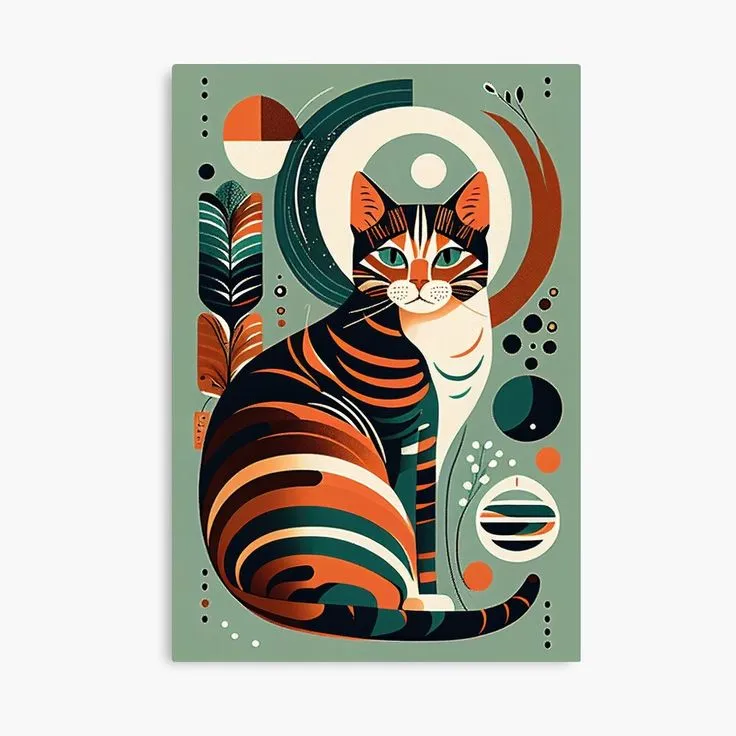
Photo: filmmaker submission package laptop headphones desk with papers and camera, via i.pinimg.com
A scout opens your submission expecting a tape. What they sometimes get is a small estate sale: a bio, a headshot, a press kit, a mood board, three social links, a director's statement, and an extra scene you almost cut. None of those things are inherently bad. But when they arrive all at once, before anyone has pressed play, the tape stops being the headliner. It becomes one item in a stack of homework.
The tape is the reason you are submitting. Everything else is either a useful program note or a plus-one who keeps leaning into the frame. In 2026, with submission portals busier than ever, the cleanest package is usually the one that makes the scout's next decision obvious: watch this.
The First Ten Seconds Are Admin
A scout's first ten seconds with your package are not creative. They are administrative. They are checking whether the link works, what kind of tape this is, who sent it, and whether anything here requires a response before they can move on. Every extra file adds a small decision: open it, skip it, save it, wonder why it is here.
That is the real cost of over-packing. You are not just sending more information. You are asking someone to sort it before they can enjoy your work. If your submission makes a scout scroll through six PDFs to find the play button, you have turned discovery into paperwork. That is not a flex. It is friction.
Build a Three-Tier Package
The easiest fix is to stop thinking in terms of what you have and start thinking in terms of what the first read needs. A simple three-tier system keeps the tape in front and the extras in reserve.
Tier One: Send by Default
This is the core package. It should include the tape itself, a working link or upload, a title that matches the file, a one-line description of what the tape is, and a reliable contact method. If the opportunity requires rights information or a clearance note, include that. If it does not, do not pad the package with legal language just to look official.
That is it. The tape, the label, the way back to you. Everything else is optional until the opportunity asks for it.
Tier Two: Send on Request
This is the ready folder: a short bio, a headshot, a full press kit, social links, a mood board, references, past credits, and any format-specific materials. Keep them current and easy to send. Do not attach them by default unless the submission form has a field for them.
A scout who likes the tape will ask for context. A scout who has not watched yet does not need your life story blocking the door.
Tier Three: Keep in the Drawer
This is where the alternate cut, the behind-the-scenes clip, the testimonial page, the pitch deck, the merch mockup, and the extra scene live. They might be good. They might even be great. But they are not part of the first handoff unless someone specifically requests them. The drawer is not a rejection pile. It is proof that you know the difference between preparation and performance.
A Bio Should Be a Caption, Not a Memoir
The bio is the most common plus-one problem. Somewhere along the way, artists learned that a bio should explain everything. In practice, a scout needs a caption: who you are, what this tape is, and one detail that makes you worth remembering. Seventy-five to one hundred words is usually plenty. If your bio runs longer than the tape's description, it is doing too much.
The same goes for the headshot. In a casting or festival context, a photo may be required. In a general music or film submission, it often waits. A headshot does not make a tape better. It just gives the scout one more image to process before the actual images start.
Social links deserve the same restraint. One clean professional link is helpful. Five links to every platform you have ever touched is a detour. If a scout wants to find you, they will. Your job is to make the tape impossible to ignore, not to make your online presence impossible to avoid.
Press Kits and Mood Boards Are Seasoning
A press kit can be useful. It can also be a 14-page PDF that says the same thing as your bio in a more expensive font. If you have one, keep it as a single folder or a single well-named document. Do not scatter it across the submission as separate attachments. A press kit should be easy to open, easy to skim, and easy to close.
Mood boards are trickier. They can help a collaborator understand your references, but in a first submission they can also read as pre-explaining the work. A scout wants to feel the tape before they are told how to feel about it. If the mood board is not requested, let it wait. If it is requested, keep it tight. Ten images that clarify your world are better than forty that recreate it.
The 'One More' Attachment Is Usually Anxiety
We have all done it. The tape is done, the link is live, and then the voice says: maybe they need one more thing. Maybe the bio is not enough. Maybe the extra scene proves the budget. Maybe the mood board shows the vision. Maybe the press kit makes it official.
That voice is not strategy. It is nerves. The test is simple: does this attachment help a scout press play, or does it help you feel less exposed? If it is the second one, leave it out. The tape can carry more than you think. Let it.
The Attachment Test
Before you add anything to a submission package, run it through four questions. Does it answer a question the scout will actually ask before watching? Does it change how the tape is understood in a useful way? Is it current, clearly named, and easy to open? Would you be comfortable if the scout opened only that file and skipped the rest?
If the answer to the first two is no, the attachment is probably clutter. If the answer to the last one is no, the attachment is probably competing with the tape. Either way, it can wait.
A Cleaner Handoff
A strong 2026 submission package is not empty. It is edited. Put the tape first. Remove duplicates. Name every file like a professional. Use one link instead of four. Fill in the fields the form gives you, and do not invent new ones. If you want to signal that more material exists, add a single line: 'Bio and press kit available on request.' That tells a scout you are prepared without asking them to prove it before they have watched a second.
The tape should walk in alone. The extras can wait in the lobby. If the tape earns a second look, you will have plenty of time to bring them in.